About
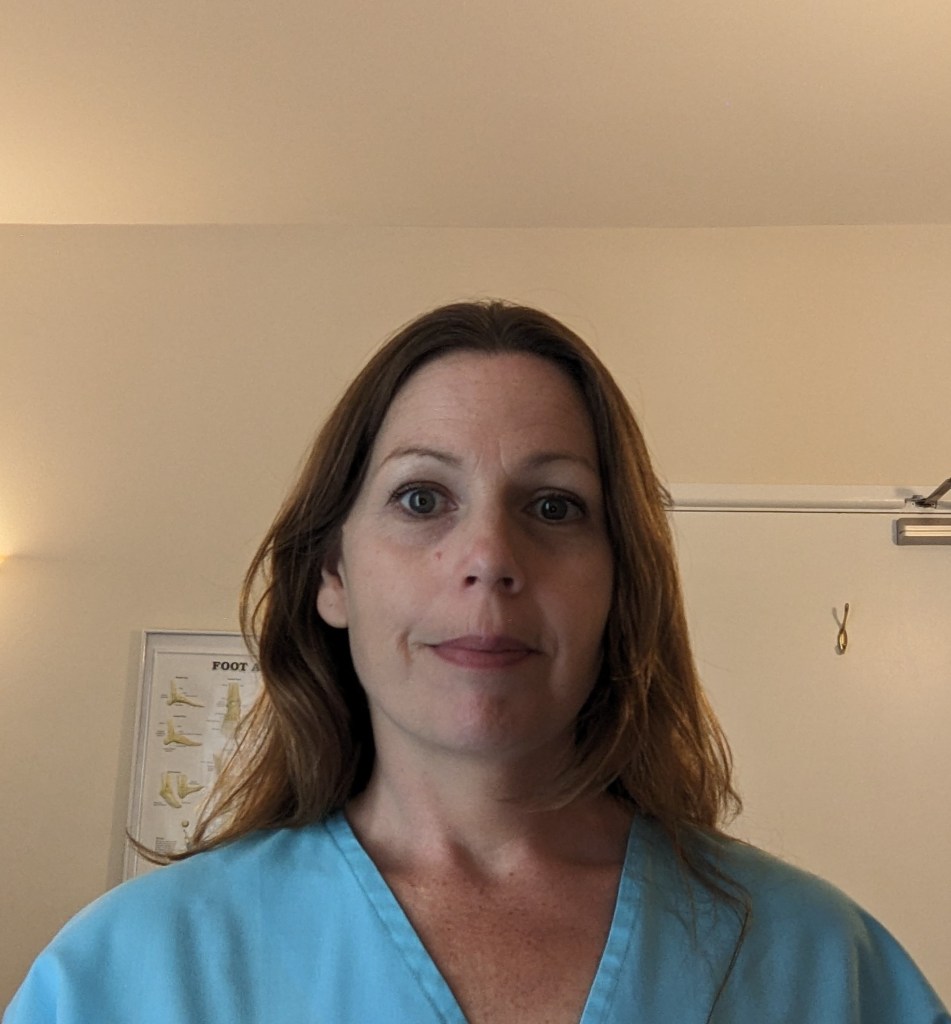
Meet the Osteopath:
Liz started in Osteopathy after a successful career as a Sales Manager. Within that role, she spent a great deal of time traveling, using a computer and dealing with stressful deadlines. Seeking Osteopathic care for her own aches and pains, Liz was amazed at how good she felt after treatment and wanted to provide others with the same feeling of well-being.
Since qualifying, Liz has continued her studies adding craniosacral therapy, cupping, orthotic fitting and animal osteopathy to her qualifications and skills. Liz also runs a Steady and Strong exercise class which helps older adults to improve their strength and balance and reduce their chances of a fall.
Outside of work, Liz enjoys spending time with her family at the allotment or away camping in their van. She is also a keen motorcyclists and enjoys weight training in the gym.
What is Osteopathy?
In the 19th Century, Andrew Taylor Still founded osteopathy. He was a physician and surgeon but believed that the body had all the tools it required to stay healthy and regulated. He also believed that the body’s structure and function is reciprocally interrelated, and the body is a whole so each part of the body acts on the rest. These principles still govern Osteopathy today, whilst also applying evidence based healthcare now available in modern times.
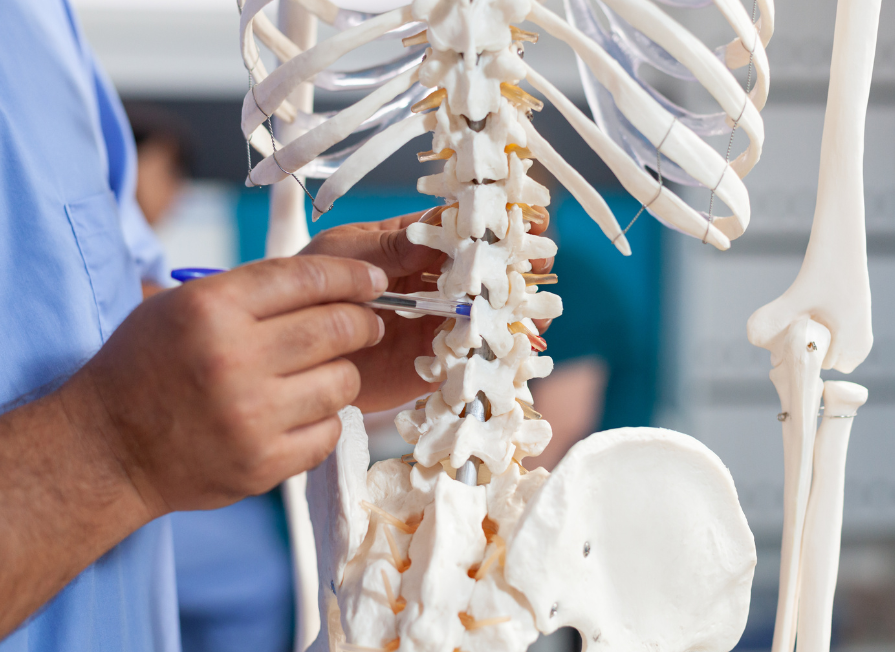
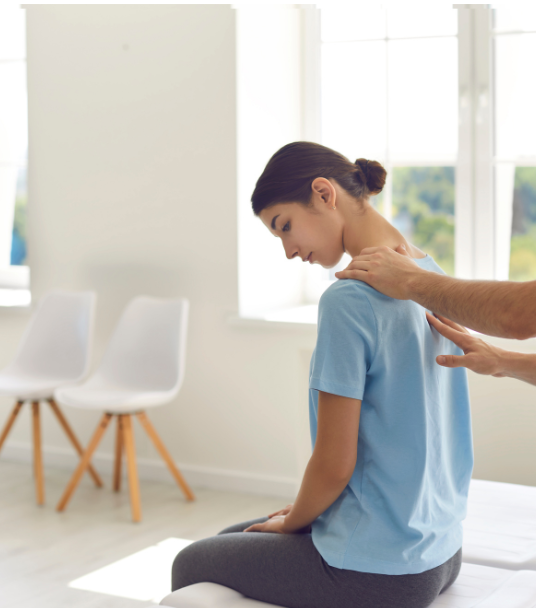
Osteopathy is a hands on therapeutic treatment and uses soft tissue massage, articulation and manipulation to improve tissue quality and range of movement which helps to reduce pain. Osteopaths in the UK are required to study for a minimum of 4 years to qualify and are regulated by the General Osteopathic Council.
The Body is a unit.
The body is made up of Mind, Body and Spirit. We have all experienced the physical consequences of stress or strong emotions on our body. Pain may not be the result of just a physical issue and understanding the whole person is important in understanding someones pain.
The body is able to self-heal.
Given the perfect circumstance, your body would be able to self-regulate and self-heal. The world today does not necessarily provide you with this ideal environment. Understanding your body and ways to keep yourself well will improve your aches and pains.
Structure and function are reciprocally interrelated.
The way we use our body day to day will impact how it responds. There is no ideal posture, there is just our posture and being aware of how we use our bodies, hold ourselves and move will help to keep us out of pain.
What can Osteopathy treat?
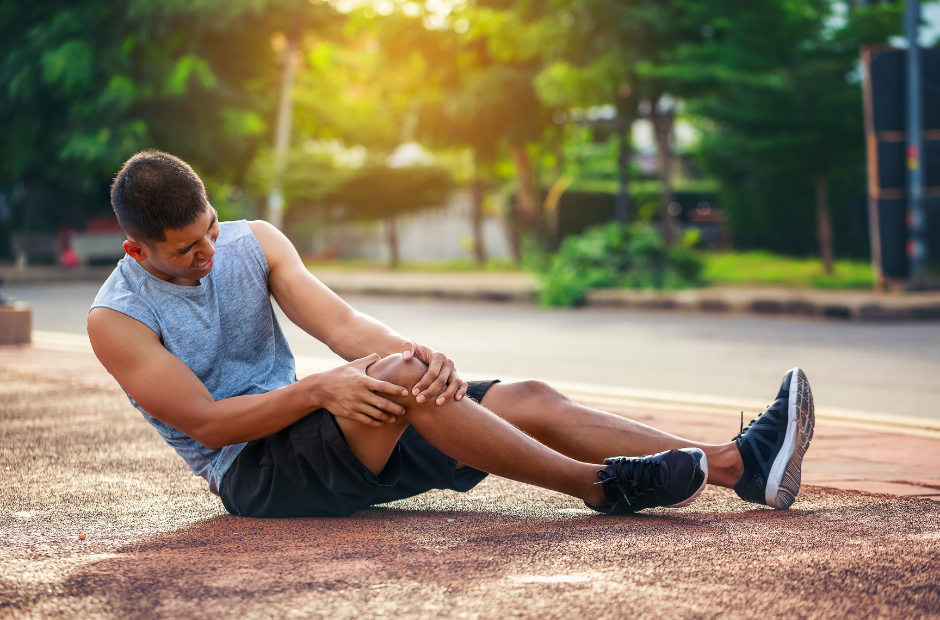
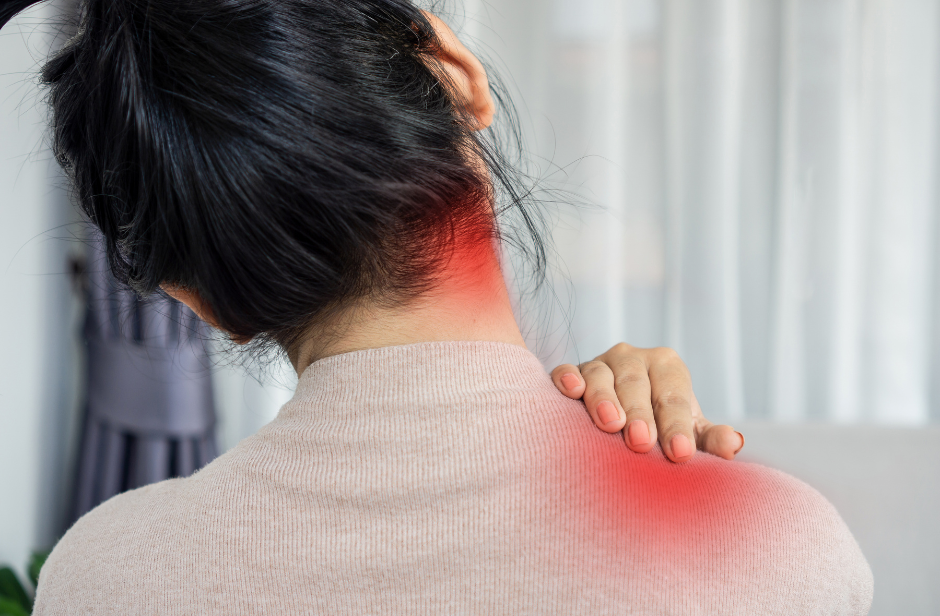
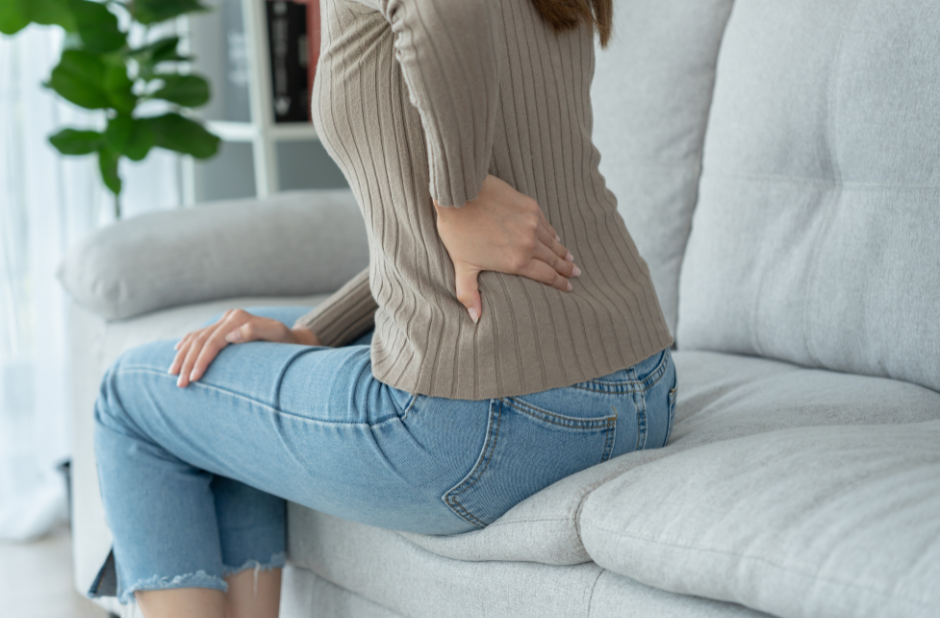
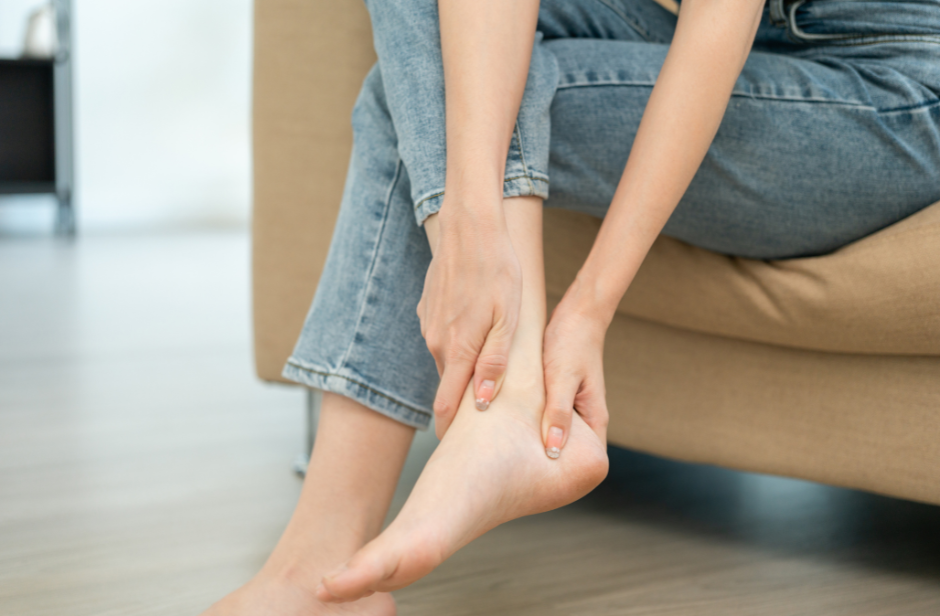
Osteopaths can treat a range of issues such as joint and muscle pain, injuries and headaches. The osteopathic consultation will include an examination, treatment and advice on managing your condition. This may include exercises, lifestyle ideas or referral for imaging.
 Accelerated Health